Explore Our Comprehensive Document Library
Global Rights Document Repository
Access a wide range of resources dedicated to promoting and protecting human rights globally. Our library offers valuable insights and tools for activists, researchers, and policymakers.
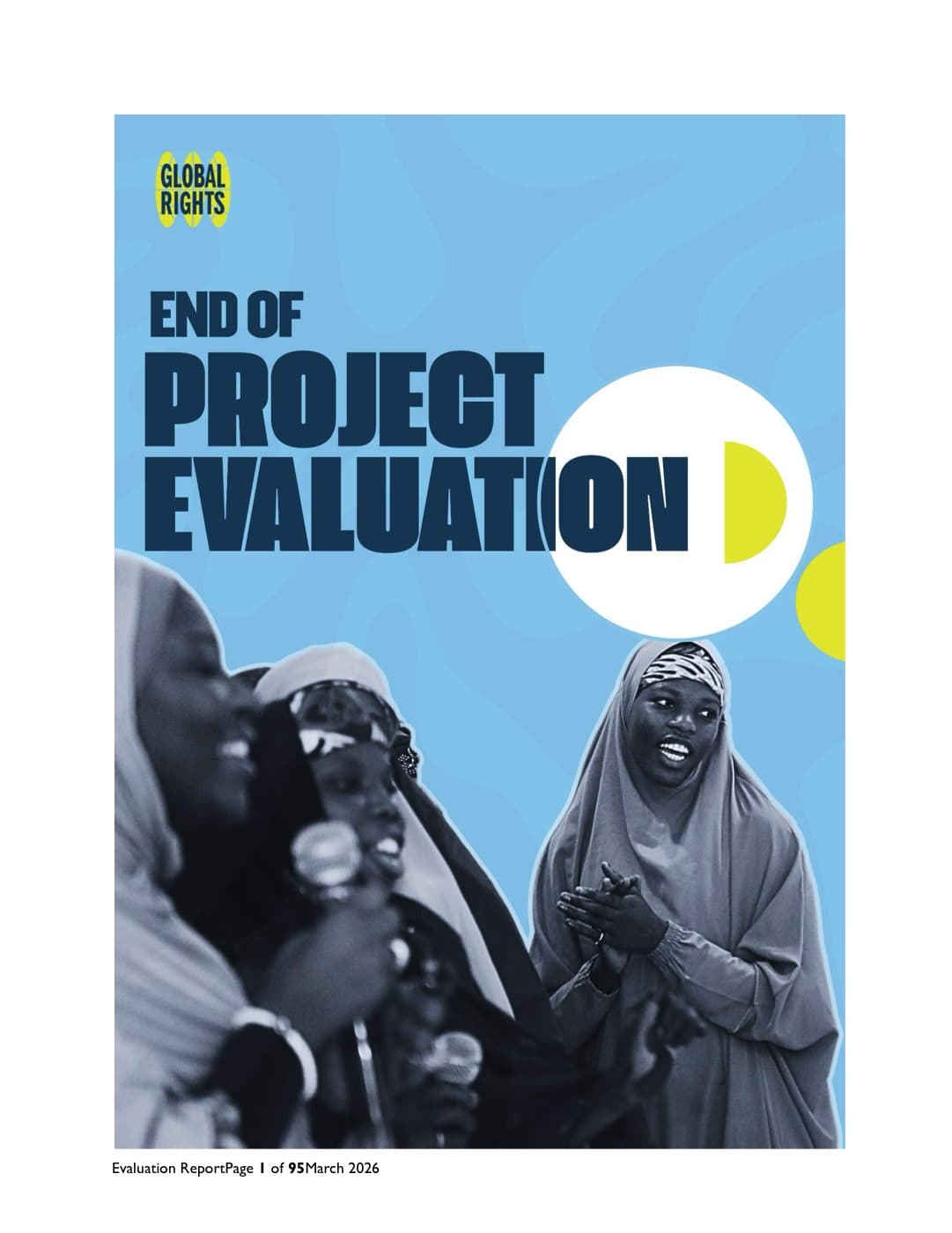
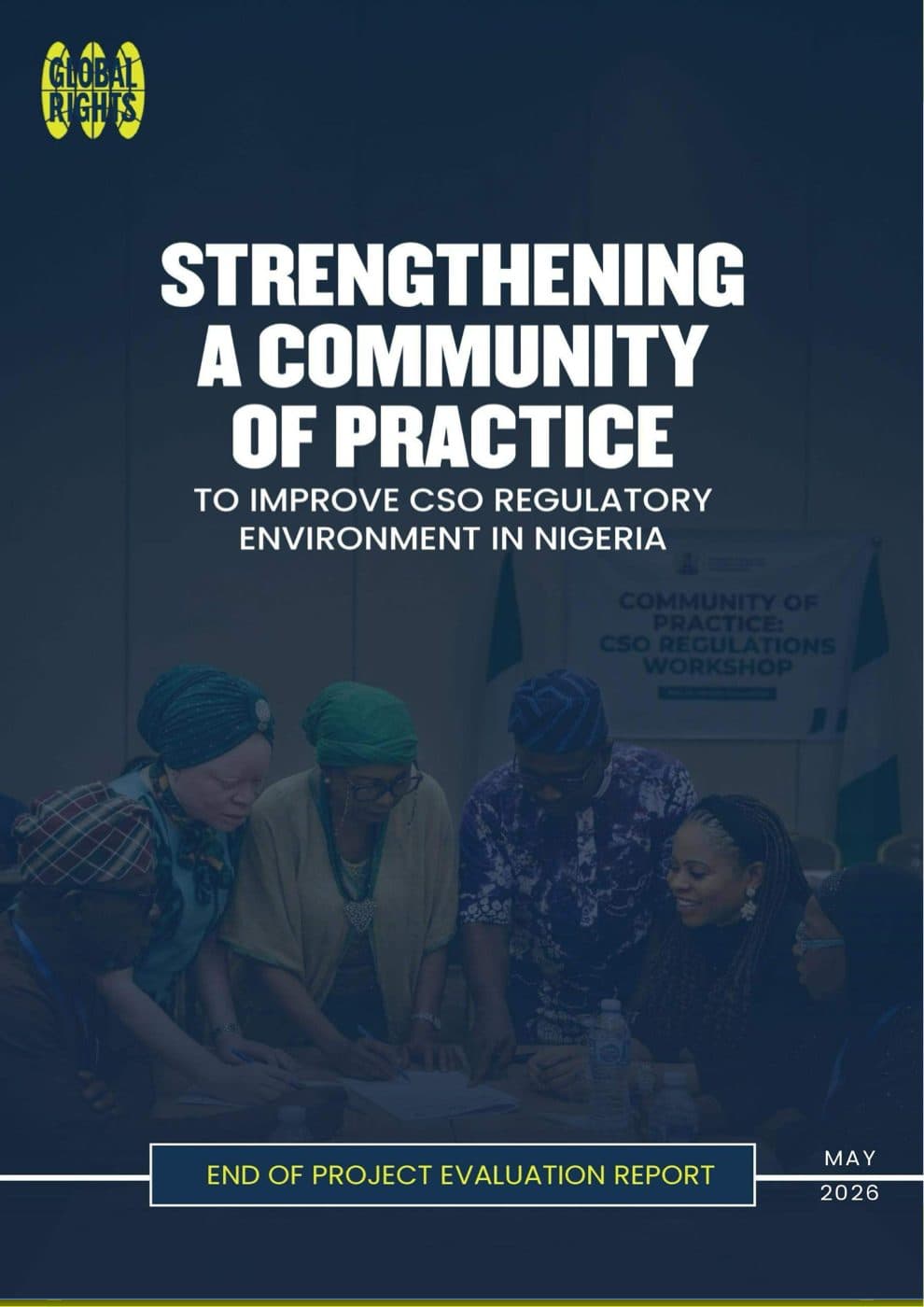
New Evaluation Shows Stronger CSO Capacity and Improved Civic Space Across Seven Nigerian States
Global Rights has published the End of Project Evaluation Report for the European Union-supported initiative, Strengthening a Community of Practice to Improve CSO Regulatory Environment in Nigeria. Conducted independently by Nextier, the evaluation assesses the project’s impact over three years of implementation across Oyo, Ogun, Osun, Anambra, Ebonyi, Cross River, and Akwa Ibom States, alongside national-level advocacy efforts.
The evaluation reveals significant progress in strengthening the operational environment for civil society organisations (CSOs), improving regulatory compliance, deepening collaboration between CSOs and public institutions, and advancing evidence-based advocacy for a more enabling civic space in Nigeria.
Key Highlights
The evaluation found that:
- 92.3% of participating organisations said the project addressed their regulatory and operational challenges.
- 92.3% improved their capacity to navigate Nigeria’s regulatory environment.
- 87.2% reported a good or very good understanding of regulatory requirements after participating in the project.
- 76.9% reported greater confidence engaging regulatory institutions.
- 69.2% said the Community of Practice strengthened collaboration with other civil society organisations.
- 92.3% rated the project overall as good or excellent.
The report also highlights how Communities of Practice established under the project have become valuable platforms for peer learning, collective advocacy, and sustained engagement between civil society, regulators, and policymakers.
Building a More Enabling Regulatory Environment
Implemented between February 2023 and July 2026, the project sought to strengthen Nigeria’s civic space by improving CSO regulatory compliance, promoting multi-stakeholder dialogue, supporting constitutional and policy advocacy, and generating evidence to inform regulatory reforms.
The evaluation concludes that strengthening civil society requires more than compliance training. Sustainable progress depends on stronger partnerships, continued engagement with regulators, investment in local Communities of Practice, and practical support that enables organisations to operate effectively within Nigeria’s regulatory landscape.
Download the Report
Read the full End of Project Evaluation Report to explore the methodology, findings, lessons learned, and recommendations for strengthening civil society and improving the regulatory environment for CSOs in Nigeria.
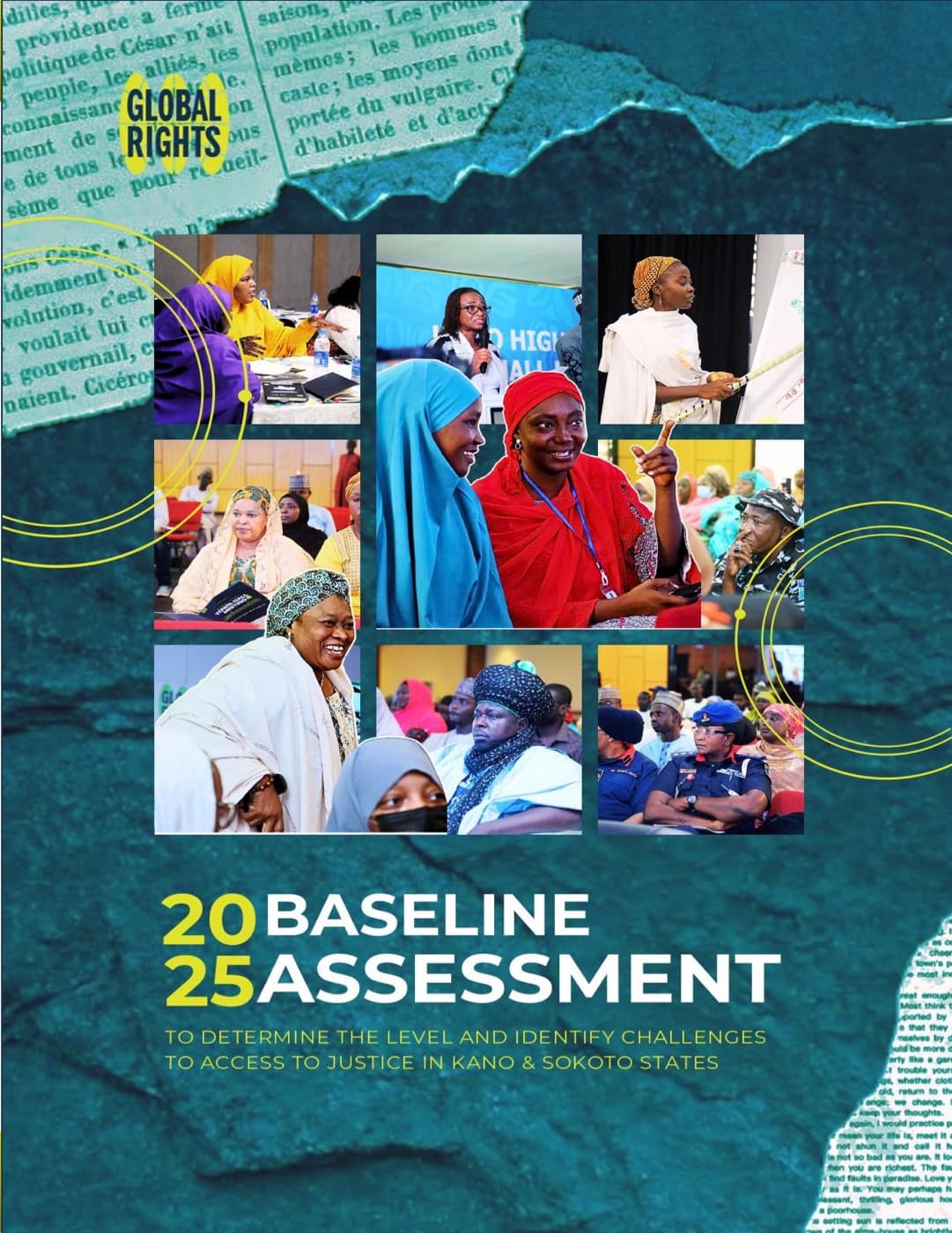
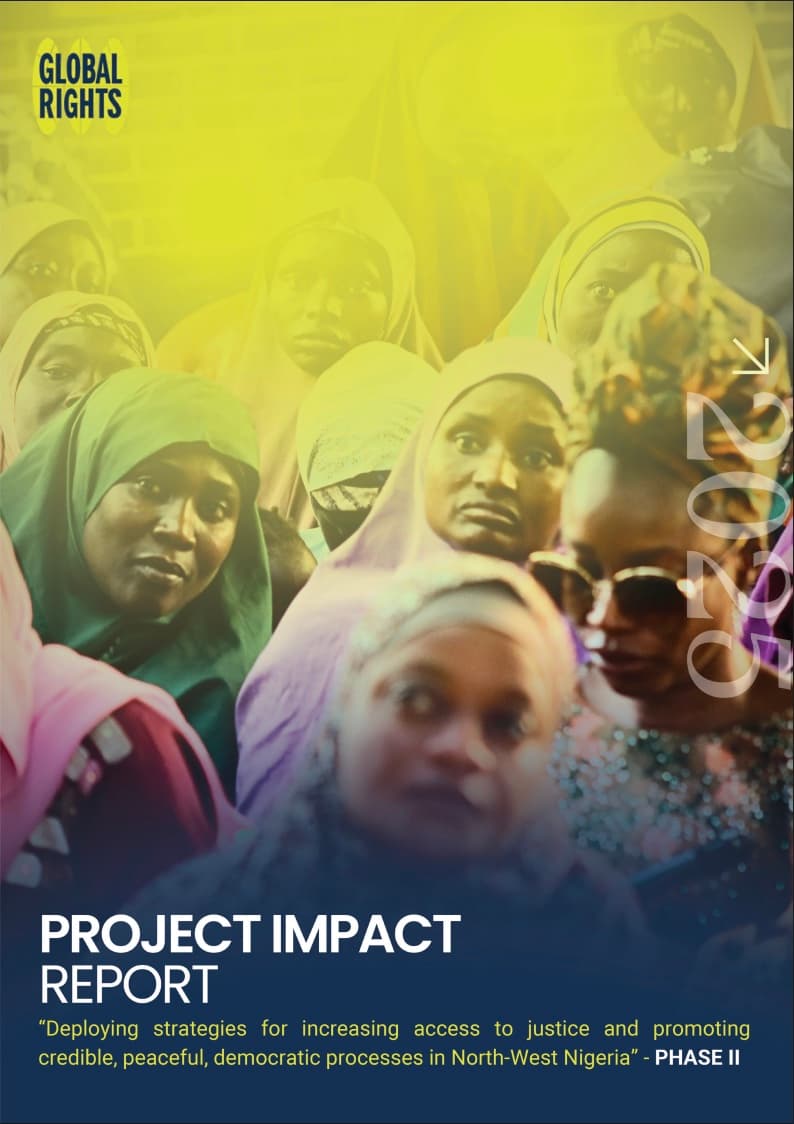
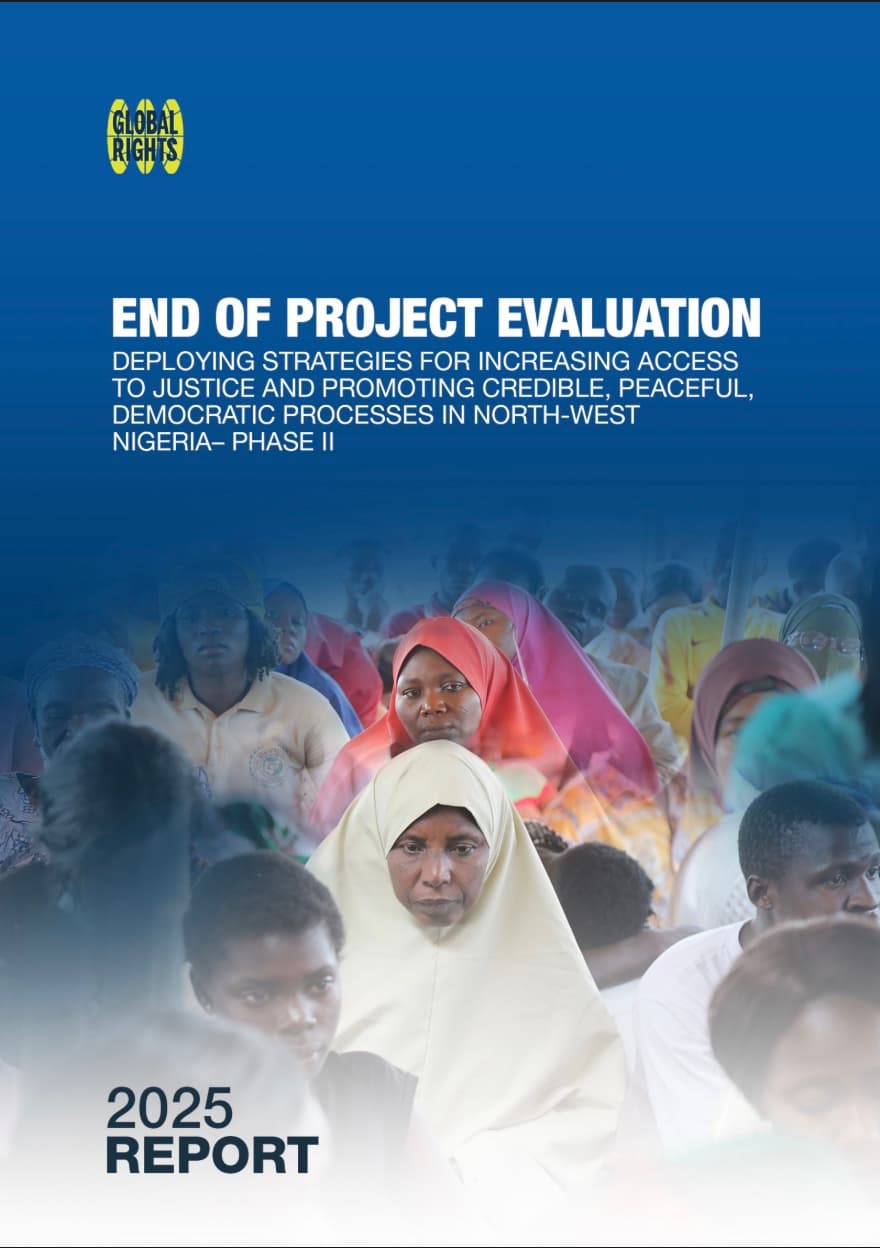
In many communities across Kano and Sokoto, conflict has long been shaped by exclusion, weak systems, and limited access to justice. This end-of-project evaluation shows what begins to change when communities are equipped to lead their own peacebuilding and justice processes.
Implemented by Global Rights with support from the United Kingdom Foreign, Commonwealth & Development Office (FCDO), the project focused on strengthening inclusive peacebuilding and expanding access to justice for marginalized groups, particularly women.
What Changed
The results point to clear and measurable progress:
- Participation of women, youth, and persons with disabilities rose from 48 percent to 88.2 percent
- Access to justice more than doubled, with hundreds of marginalized individuals receiving legal support
- Community structures became active systems for resolving conflict and supporting survivors
Where the Impact Shows
Community Dialogue Committees are now trusted platforms for resolving disputes before they escalate. Gender-Based Violence Response Teams are improving how survivors are supported and referred. The Police Duty Solicitor Scheme is making legal representation more accessible, especially for those who would otherwise be left out.
Why It Matters
The project worked because it focused on people. It strengthened local systems, encouraged shared responsibility, and created space for women to participate meaningfully in decisions that affect their communities.
Early signs of change are already visible. More women are speaking up. Communities are choosing dialogue more often. Trust in justice processes is gradually improving.
What Comes Next
To sustain these gains, the report highlights the need to strengthen institutional linkages, deepen engagement with men and youth, and expand this model to other communities.
Loading...
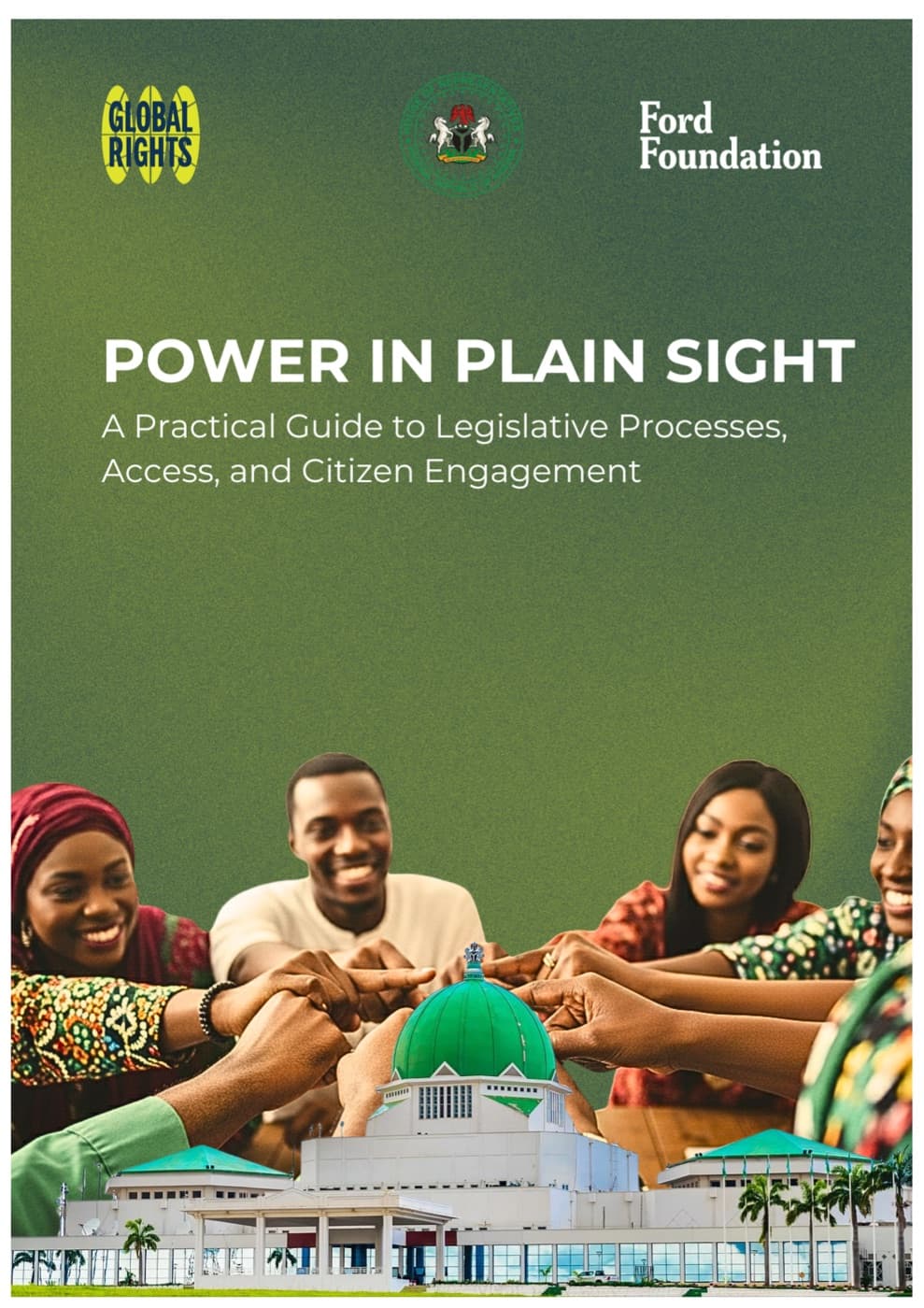
Introduction: Why Citizen Engagement Matters in Nigeria’s Democracy
For democracy to grow and deliver real benefits, citizens must actively participate in governance. In Nigeria, meaningful engagement between the public and elected representatives helps ensure that laws and policies truly reflect the needs and aspirations of the people.
The House of Representatives of Nigeria—often referred to as the People’s House—derives its legitimacy from citizen participation. When citizens understand legislative processes and engage with lawmakers, governance becomes more transparent, accountable, and responsive.
This guide explains how Nigerians can interact with the legislature, understand its functions, and contribute to shaping national policies.
Understanding the Role of the Legislature in Nigeria
The legislature is a key arm of government responsible for making laws and representing citizens’ interests. In Nigeria, the federal legislature is the National Assembly of Nigeria, which consists of the Senate and the House of Representatives.
Core Functions of the Legislature
- Law-Making
Legislators draft, debate, and pass laws that guide governance and societal development. - Representation
Members of the legislature represent specific constituencies and ensure citizens’ voices are heard. - Oversight of Government
Through investigations and hearings, lawmakers hold government institutions accountable. - Budget Approval
The legislature reviews and approves national spending to ensure funds serve public interests. - Constituency Service
Legislators address local development needs and facilitate projects in their communities. - Conflict Resolution
The legislature serves as a platform for mediating competing interests across regions and sectors.
The Legislative Process in Nigeria: How a Bill Becomes Law
Understanding the legislative process helps citizens know when and how to participate in shaping laws.
Key Stages of the Legislative Process
- Bill Introduction
A proposed law (bill) is introduced by a legislator or the executive arm of government. - First Reading
The bill is formally presented without debate. - Second Reading
Lawmakers debate the general principles of the bill. - Committee Review
The bill is examined in detail by a committee, often including public hearings where citizens can contribute. - Report Stage
The committee presents recommendations and possible amendments. - Third Reading
The bill undergoes final debate and voting. - Approval by Both Chambers
The bill must pass both the Senate and the House of Representatives. - Presidential Assent
The President signs the bill into law, or it may be reconsidered if vetoed. - Gazetting
The new law is published officially for implementation.
This process ensures laws are carefully reviewed and reflect public input.
Why Citizen Engagement Strengthens Democracy
Citizen participation in legislative processes offers several benefits:
1. Enhancing Democratic Legitimacy
When people contribute to policymaking, laws gain wider acceptance and trust.
2. Improving Policy Quality
Citizens provide local insights and real-world perspectives that improve legislation.
3. Strengthening Accountability
Engaged citizens monitor government actions and ensure elected officials deliver on promises.
4. Building Public Trust
Regular interaction between lawmakers and citizens increases confidence in democratic institutions.
5. Promoting Social Inclusion
Participation ensures marginalized voices, including women, youth, and persons with disabilities, are heard.
6. Preventing Conflict
Providing peaceful channels for public input reduces tensions and strengthens national unity.
The Citizen Engagement Ladder: Levels of Participation
Citizen engagement occurs at different levels, depending on how much influence citizens have in decision-making.
- Inform – Citizens receive information about legislative activities.
- Consult – Government gathers feedback from the public.
- Involve – Citizens actively participate in discussions and consultations.
- Collaborate – Citizens and legislators work together on policy solutions.
- Empower – Citizens have direct influence over final decisions.
Moving up this ladder increases democratic participation and impact.
How Citizens Can Engage with the National Assembly
There are several ways Nigerians can interact with lawmakers and legislative processes.
1. Attend Public Hearings
Public hearings allow citizens, experts, and organizations to provide input on bills and policies.
2. Participate in Town Hall Meetings
Many legislators organize consultations within their constituencies.
3. Submit Petitions and Memoranda
Citizens can formally submit policy recommendations or concerns to legislative committees.
4. Engage Through Digital Platforms
Citizens can follow legislative updates and discussions online through official websites and social media.
5. Visit the National Assembly
With proper authorization, citizens can observe plenary sessions or attend committee meetings in Abuja.
Building an Effective Citizen Engagement Strategy
For citizen participation to be impactful, engagement should follow these principles:
- Transparency and openness in legislative activities
- Inclusivity and diversity in participation
- Authentic dialogue between citizens and lawmakers
- Continuous engagement beyond election cycles
- Evidence-based policymaking informed by public input
These principles ensure participation is meaningful and sustainable.
Conclusion
Citizen engagement is the foundation of a healthy democracy. By understanding how the legislature works and actively participating in legislative processes, Nigerians can influence policies, strengthen accountability, and promote inclusive governance.
When citizens and lawmakers collaborate effectively, the legislative process becomes more transparent, responsive, and capable of addressing the real needs of society.
Key Features of Our Documents Library

Comprehensive Resource Collection
Access a vast array of documents covering various aspects of human rights and advocacy, curated to support your efforts in promoting justice and equality.

Expert Insights and Analysis
Benefit from expert insights and in-depth analysis provided by leading human rights advocates and researchers, helping you stay informed and effective in your work.

User-Friendly Interface
Navigate our library with ease using our intuitive and user-friendly interface, designed to help you find the information you need quickly and efficiently.
Join Us in Promoting Human Rights
Empower yourself with the knowledge and tools needed to advocate for human rights. Download our comprehensive documents and join the global movement for justice and equality today.