From Silence to Solutions: How Inclusive Peacebuilding is Transforming Kaduna
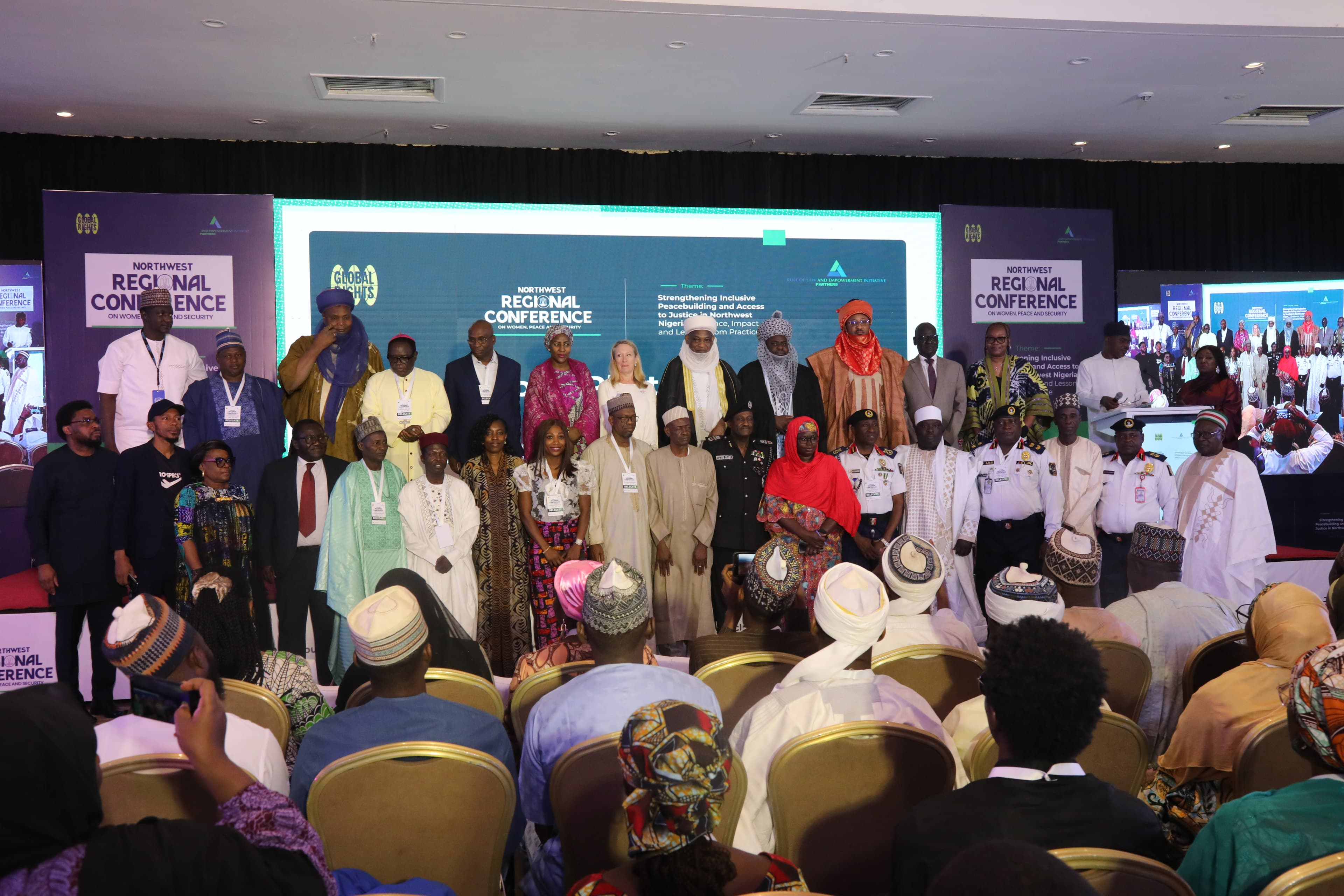
In the communities of Igabi, Zaria, and Zangon Kataf, a quiet revolution has taken place. For years, localized disputes in Kaduna State often escalated into violence due to a lack of structured mediation and limited access to justice. But today, a different story is being told—one of empowered women, protected rights, and communities that choose dialogue over retaliation.
Our latest SPRiNG Project Impact Report details the remarkable journey of the “Strengthening Community Resilience” project. It’s not just a report on numbers; it’s a blueprint for how inclusive justice can stabilize a region.
The Human Side of Justice
Imagine being arrested without a lawyer, or having a family dispute spiral into a community-wide conflict because there was no one to mediate. Through the Police Duty Solicitor Scheme (PDSS), we deployed 12 lawyers across six police divisions, shifting justice from “discretionary” to “structured.” Now, legal representation is available at the point of arrest, ensuring that constitutional rights are protected for everyone, regardless of their status.
Breaking Barriers: Women at the Frontline
One of the most profound shifts has been in the halls of traditional power. In Zonkwa, for the first time, a woman was formally appointed to the traditional council—a space historically dominated by men.
This isn’t an isolated case. Across the project, women now make up at least 40% of Community Dialogue Committees (CDCs), and 56% of our 1,428 direct beneficiaries were women. When women speak, the solutions are more inclusive, and the peace is more durable.
Key Impact Highlights:
- Safer Communities: Up to 88% of residents in Zaria report a significant improvement in safety.
- Early Warning, Rapid Response: 249 potential conflicts were identified and managed through our digital Early Warning (EWERC) system before they could turn violent.
- Justice at the Point of Arrest: 523 cases were handled by PDSS lawyers, significantly reducing arbitrary detention.
- SGBV Reporting: Sexual and Gender-Based Violence is no longer a “private matter.” Communities now recognize it as a collective concern, with safer reporting pathways for survivors.
A Sustainable Future
The impact is even reaching academia, with Kaduna State University (KASU) now establishing youth mediation groups based on our model. We aren’t just building projects; we are seeding a culture of peace that will outlast them.